China's Central Bank Engineers Controlled Yuan Appreciation to Protect Export Competitiveness
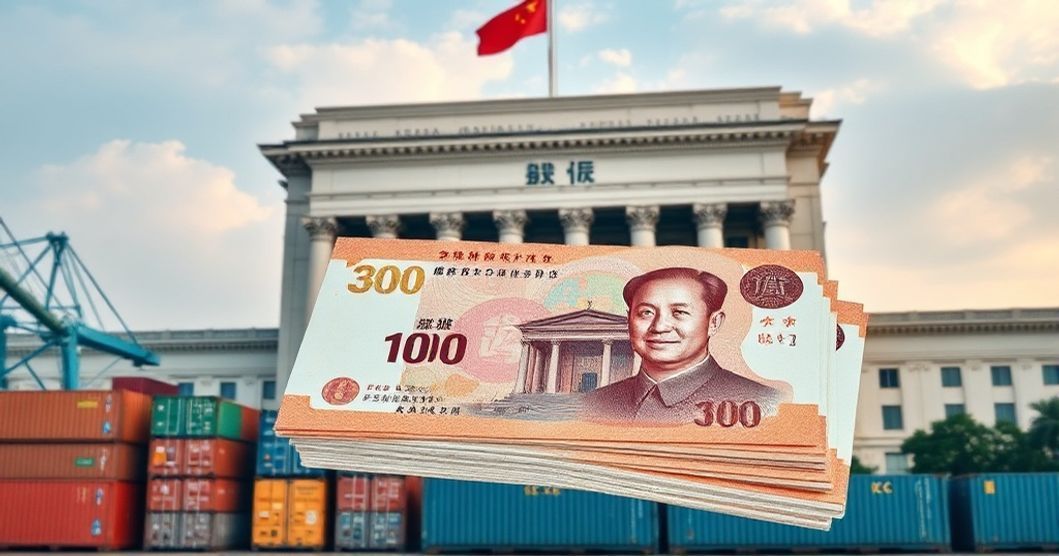
PBOC's Strategic Currency Management
China's monetary authorities are carefully managing the pace of the yuan's appreciation against the dollar, implementing a deliberate strategy to balance multiple economic objectives. This measured approach aims to protect the country's crucial export sector while simultaneously discouraging speculative financial activities that could destabilize currency markets.
The Dual Mandate: Exports and Stability
According to financial analysts and market observers, the People's Bank of China (PBOC) is walking a tightrope between allowing sufficient currency strength to maintain international confidence and preventing excessive gains that would erode China's export competitiveness. The central bank's daily reference rate settings and open market operations suggest a preference for gradual, controlled appreciation rather than rapid market-driven movements.
This calibrated approach serves two primary purposes: shielding manufacturers and exporters from sudden cost disadvantages in global markets, and curbing the 'carry trade' where investors borrow in low-yielding currencies to invest in higher-yielding assets. By preventing sharp, unpredictable yuan appreciation, Chinese authorities reduce the attractiveness of such speculative positions that could lead to volatile capital flows.
Market Implications and Global Context
The PBOC's strategy emerges amid complex global monetary conditions, with many developed economies maintaining accommodative policies while China navigates its own economic normalization. Market participants note that the controlled appreciation allows China to:
- Maintain export price competitiveness in key markets
- Manage inflationary pressures from imported goods
- Gradually advance yuan internationalization objectives
- Prevent formation of speculative bubbles in currency markets
This managed float approach contrasts with more freely floating currency regimes, reflecting China's distinctive blend of market mechanisms and state guidance in economic management.