Dow Tops 50,000: A Milestone Masking a Divided Market Rally
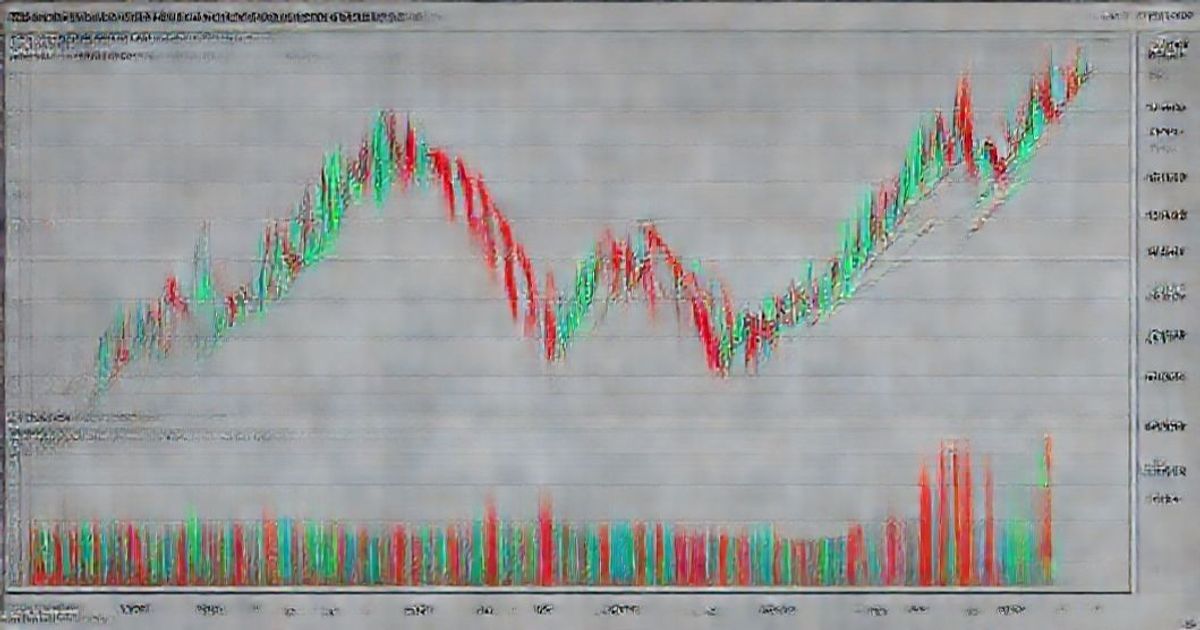
Breaking: Investors took notice as the Dow Jones Industrial Average pierced the 50,000-point ceiling for the first time ever, a psychological milestone that’s sparking both celebration and deep-seated caution on Wall Street.
A Historic Close, But the Party Isn't Universal
The blue-chip index's surge past 50,000 marks a stunning recovery from the pandemic lows of March 2020, when it traded below 19,000. It's a round number that captures headlines, but the tape tells a more nuanced story. While giants like Apple and Boeing provided lift, the rally's breadth remains conspicuously narrow. The S&P 500 and Nasdaq have also hit records, yet a significant portion of the market isn't participating with the same vigor.
This divergence isn't new, but it's becoming more pronounced. The so-called "Magnificent Seven" tech stocks have driven a disproportionate share of the S&P 500's gains for over a year now. What's changed recently is the Dow's catch-up play, fueled by industrial and financial components benefiting from economic resilience. Yet, beneath the surface, the equal-weight S&P 500—which treats Apple and a small-cap stock the same—has significantly lagged its market-cap-weighted counterpart. That's a classic sign of a top-heavy advance.
Market Impact Analysis
The immediate reaction has been a blend of optimism and profit-taking. Futures pointed to a muted open following the milestone, suggesting traders are pausing to assess the landscape. Treasury yields have edged higher, with the 10-year note flirting with 4.30%, as the market continues to adjust its expectations for Federal Reserve rate cuts. The dollar has held steady, while oil prices have shown volatility amid Middle East tensions.
Key Factors at Play
- AI Mania and Earnings Resilience: The artificial intelligence investment theme continues to be the primary market engine. Companies perceived as AI winners, from semiconductor designers like Nvidia to cloud infrastructure providers, are commanding massive premiums. Their robust earnings have justified some of the hype, but valuations are stretching into historic territory.
- Shifting Rate Expectations: The market has dramatically scaled back its bets on aggressive Fed easing. From pricing in six or seven cuts at the start of the year, futures now imply just three or four. This "higher for longer" recalibration has boosted financial stocks in the Dow but pressured rate-sensitive sectors like utilities and real estate.
- Economic Dichotomy: The U.S. economy is displaying remarkable strength in consumer spending and employment, supporting cyclical Dow stocks. However, leading indicators like manufacturing surveys and loan demand suggest underlying softness. This creates a bifurcated environment where large, resilient corporations thrive while smaller firms face headwinds.
What This Means for Investors
What's particularly notable is that this isn't a 1999-style bubble where everything is rising. It's a selective, fundamentally-driven rally concentrated in companies with demonstrable pricing power and AI exposure. For the regular investor, this creates both opportunity and peril. Chasing the hottest AI names here requires a strong stomach for volatility, but ignoring the trend entirely has been a costly mistake for over a year.
Short-Term Considerations
In the near term, expect heightened volatility around economic data releases, especially inflation reports like the CPI and PCE. The Dow at 50,000 is a magnet for both momentum buyers and contrarian sellers. Seasoned traders are watching for a potential rotation—if money starts flowing out of mega-cap tech and into lagging small-caps or international markets, it could signal a healthier, more sustainable advance. For now, that rotation remains more hope than reality.
Long-Term Outlook
The long-term thesis hinges on whether AI productivity gains can materialize broadly enough to justify current valuations and lift the broader economy. If AI adoption accelerates corporate earnings beyond the tech sector, this rally could have legs. If it remains confined to a handful of chipmakers and software giants, the market's foundation looks shaky. Investors with a multi-year horizon should focus on companies with solid balance sheets and competitive moats, regardless of whether they're tagged as "AI stocks." Diversification, a boring but timeless strategy, is critical when leadership is this narrow.
Expert Perspectives
Market analysts are deeply divided, mirroring the market itself. Bullish strategists point to strong corporate buybacks, resilient earnings, and the transformative potential of AI as reasons the rally can continue. "The momentum is undeniable, and we're seeing fund managers who missed the early AI move now feeling forced to participate," noted one senior trader at a major hedge fund, speaking on background.
On the other side, cautionary voices are growing louder. They highlight extreme sentiment readings, with the CNN Fear & Greed Index flirting with "Extreme Greed" territory, and concerning technical divergences. "The number of stocks hitting new highs hasn't confirmed the index's new highs. That's a classic warning sign we're watching very closely," said a chief technical strategist at a prominent institutional firm.
Bottom Line
The Dow 50,000 milestone is a historic moment that reflects genuine economic strength and technological optimism. Yet, it also shines a light on the market's fragile underpinnings. The path forward likely depends on two unresolved questions: Can the AI investment theme broaden beyond a few superstars? And can the economy achieve the elusive "soft landing" that allows the Fed to ease policy without reigniting inflation? Until those answers are clearer, celebrating the milestone is wise, but assuming it guarantees smooth sailing ahead is not. The market, much like the headlines it generates, remains a story of two very different tales.
Disclaimer: This analysis is for informational purposes only and does not constitute financial advice. Always conduct your own research before making investment decisions.