Tokenized Gold Trading Hits $178B, Outpacing Major ETFs in Historic Shift
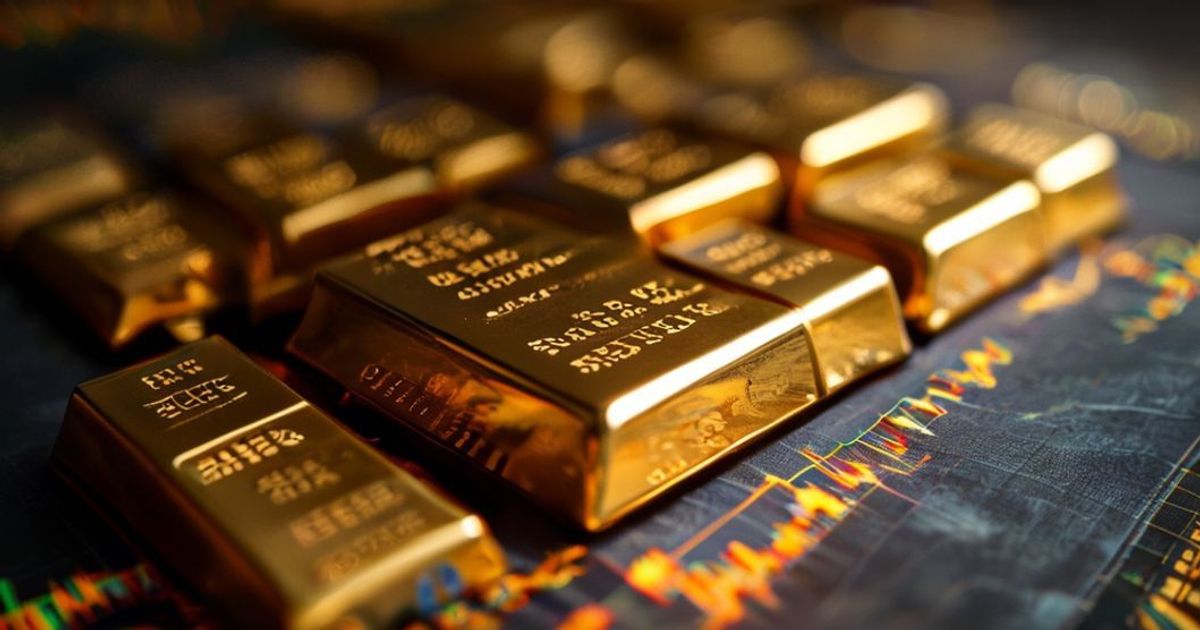
Breaking: Investors took notice as a quiet revolution in the gold market accelerated last year, with digital tokens backed by the precious metal racking up a staggering $178 billion in trading volume. That figure didn't just grow—it eclipsed the annual turnover of all but one of the world's largest physical gold exchange-traded funds, signaling a profound shift in how both crypto natives and traditional investors are accessing the age-old safe haven.
Digital Gold Rush: Tokenized Assets Challenge ETF Dominance
While gold prices have been on a tear, flirting with all-time highs above $2,400 an ounce and with bullish calls for $5,000 making headlines, the real story might be happening off the traditional exchanges. According to recent data, blockchain-based tokens representing ownership of physical gold saw their annual trading volume surge to $178 billion. To put that in perspective, only the SPDR Gold Shares ETF (GLD), with its massive $63 billion in assets under management, saw more activity. This means tokenized gold platforms collectively traded more than heavyweight ETFs like iShares Gold Trust (IAU) and abrdn Physical Gold Shares ETF (SGOL) throughout 2023.
This isn't a fringe phenomenon anymore. We're talking about platforms like Paxos' PAXG, Tether Gold (XAUT), and others that allow investors to buy fractions of a gold bar stored in a vault, with ownership recorded on a blockchain. The appeal? It's a blend of gold's perceived stability with crypto's 24/7 trading, potential for faster settlement, and accessibility to a global audience without traditional brokerage accounts. The volume surge coincided with a year where gold rallied over 13%, but the growth in digital channels far outpaced the underlying asset's appreciation.
Market Impact Analysis
So, what's the immediate market impact? It's creating a new, highly liquid parallel market for gold exposure. This volume isn't just coming from crypto speculators—it's attracting capital that might have otherwise flowed into ETFs or even physical bullion. Some traditional gold liquidity is undoubtedly being diverted. You can see it in the subtle changes in ETF flows; while GLD saw net inflows, the explosive growth was in the digital realm. This new venue operates around the clock, which means price discovery for gold is becoming a truly continuous process, potentially reducing gaps and volatility at market opens.
Key Factors at Play
- The Institutional Bridge: Major financial players like JPMorgan and WisdomTree are actively exploring or have launched their own tokenized gold products. This isn't just retail FOMO. It's a strategic move by institutions to modernize infrastructure, attract younger investors, and explore programmable finance—think using gold tokens as collateral in decentralized lending protocols.
- Geographic Accessibility: In markets with capital controls or less developed financial systems, accessing a trusted gold ETF can be difficult or expensive. A digital token, purchasable with crypto, bypasses many of these hurdles. A significant portion of the volume is likely originating from Asia and emerging markets where gold culture is strong but traditional finance access is limited.
- The "DeFi Yield" Angle: This is the game-changer. In traditional finance, your gold ETF sits idle. In decentralized finance (DeFi), you can deposit your tokenized gold into a liquidity pool or lending protocol to earn yield. Suddenly, a non-yielding asset can generate a return, a compelling proposition in any interest rate environment.
What This Means for Investors
Digging into the details, this convergence of physical and digital finance creates both opportunities and new complexities. For the average investor, the landscape for gaining gold exposure has fundamentally expanded.
Short-Term Considerations
In the immediate term, investors need to understand they're dealing with a bifurcated market. The price of PAXG or XAUT should, in theory, track the spot price of gold. But in practice, especially during crypto market volatility, premiums or discounts can emerge. It adds an arbitrage layer that sophisticated traders are already exploiting. Furthermore, liquidity, while high in aggregate, varies by token and platform. An investor also takes on counterparty and smart contract risk—do you trust the entity holding the gold and the code governing the token?
Long-Term Outlook
Looking ahead, this trend seems poised for further integration. Will we see a day when the spreads on tokenized gold are tighter than those on COMEX futures? It's possible. The long-term implication is the potential "democratization" and financialization of gold. If gold can be easily fragmented, traded instantly, and put to work in digital economies, its role evolves from a sterile store of value to an active, productive component of a digital asset portfolio. This could broaden gold's investor base significantly, providing a sustained tailwind for prices beyond just macro fears or dollar weakness.
Expert Perspectives
Market analysts are split on the ultimate significance. Some traditional gold bugs dismiss it as a fad, arguing that the physical metal in your hand is the only true safe haven, especially in a systemic crisis where digital systems may fail. However, a growing chorus from within both the crypto and traditional finance sectors sees this as inevitable infrastructure evolution. "We are witnessing the digitization of everything, and gold is a prime candidate," noted one digital assets strategist at a European bank, speaking on background. "The volume shows the demand is real. The question for ETF providers is whether they adapt or see their market share gradually erode."
Bottom Line
The $178 billion figure is more than a milestone; it's a warning shot. It tells us that a non-trivial segment of the market prefers a digital, programmable wrapper for their gold exposure. For traditional gold investors, it's a sector to monitor for competitive dynamics. For crypto investors, it's a compelling case study of a real-world asset successfully moving on-chain. The rally toward $5,000 might capture headlines, but the structural shift in *how* gold is traded could be the more enduring story. Will ETF giants respond with their own blockchain innovations, or will a new set of winners emerge in the race to modernize the world's oldest money?
Disclaimer: This analysis is for informational purposes only and does not constitute financial advice. Always conduct your own research and consider consulting with a qualified financial advisor before making any investment decisions. Digital assets involve significant risks including volatility and potential loss of principal.