Trump's Trade Policies Rattle Global Markets in 2024, With Lingering Uncertainty Projected Through 2026
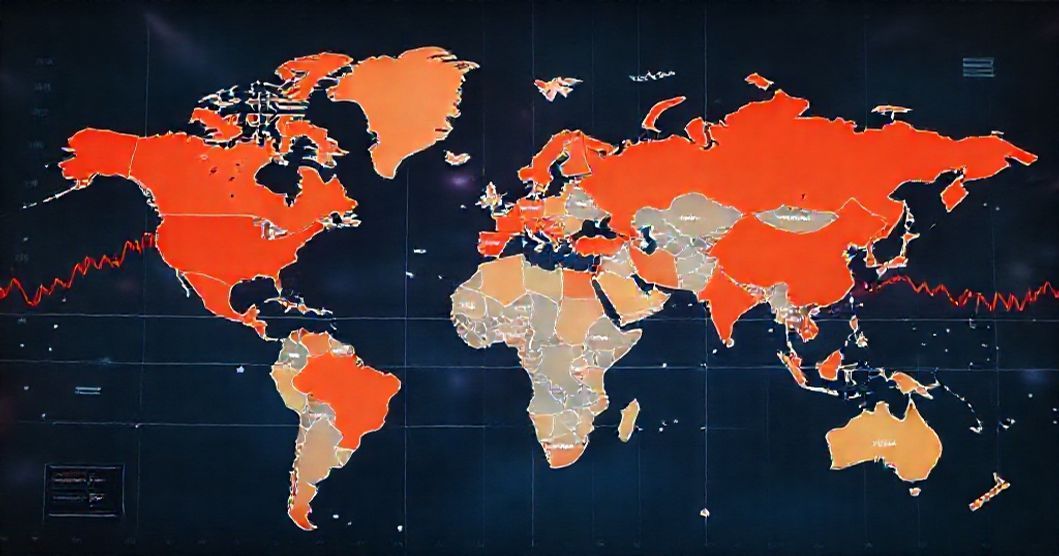
A Year of Disruption in Global Commerce
The global trade landscape underwent significant upheaval in 2024, driven primarily by the aggressive and unilateral policies enacted by former President Donald Trump following his return to office. Analysts note that his administration's approach, characterized by sweeping tariffs and renegotiated agreements, has created waves of volatility across international supply chains and financial markets.
Key Policy Actions and Immediate Impacts
Among the most consequential moves were:
- The imposition of broad-based tariffs on imports from multiple trading partners, including major economies.
- The unilateral withdrawal from or renegotiation of several multilateral trade frameworks.
- A pronounced shift towards 'America First' protectionism, challenging decades of established trade norms.
These actions prompted retaliatory measures from other nations, sparked fears of inflation, and forced corporations worldwide to reassess their manufacturing and logistics strategies almost overnight.
The Long Shadow: Uncertainty Extends to 2026
While the immediate shocks are being absorbed, financial experts and trade bodies warn that the uncertainty generated by this policy shift is not a short-term phenomenon. Forecasts suggest that the lack of a predictable, rules-based trading system will continue to weigh on business investment and economic planning well into 2026.
"The paradigm has shifted," stated a senior analyst at a leading economic research firm. "Companies are now factoring in geopolitical and trade policy risk as a permanent, high-cost variable. The uncertainty regarding future tariffs, export controls, and the stability of trade relationships creates a persistent headwind for global growth."
This prolonged period of ambiguity is expected to influence central bank decisions, currency markets, and long-term corporate strategy for years to come, cementing 2024 as a pivotal year for the future of global trade.