US Retail Sales Disappoint, Sparking Market Volatility and Fed Speculation
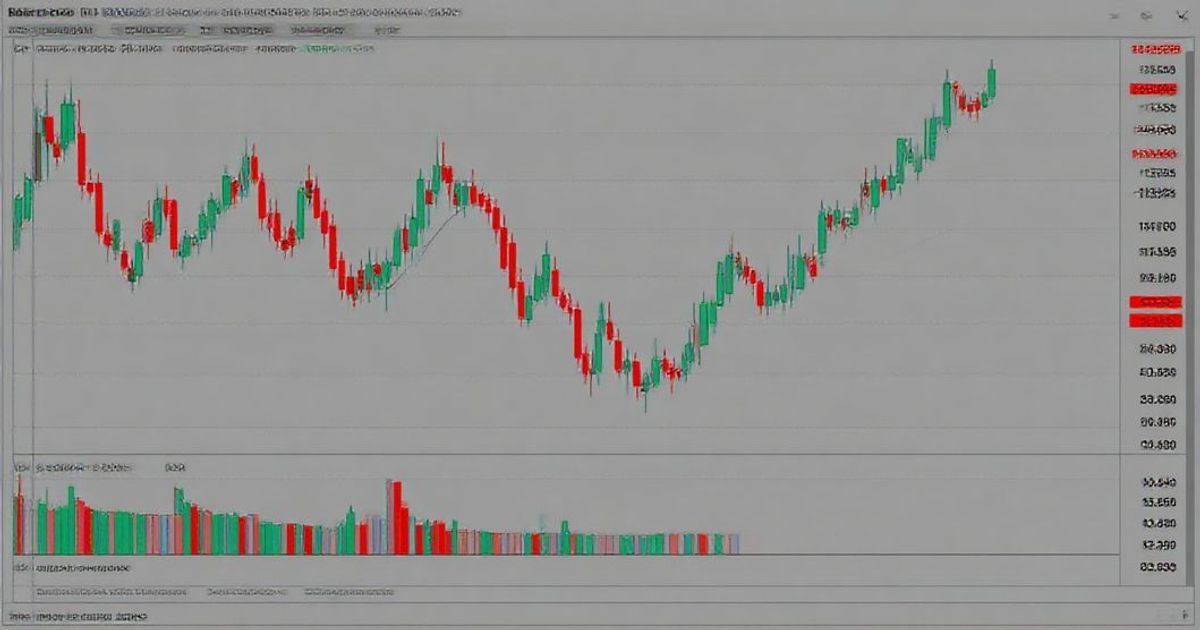
Breaking: Market watchers are closely monitoring a sudden shift in sentiment after a key economic indicator came in softer than expected, raising fresh questions about the resilience of the US consumer and the Federal Reserve's next move.
Retail Stumble Sends Mixed Signals to Wall Street
US equity markets opened with a distinct lack of direction on Wednesday following the release of disappointing retail sales data for April. The Commerce Department reported a flat reading of 0.0% month-over-month, a stark miss against the 0.4% gain economists had widely forecasted. That's not just a minor miss—it's a complete stall. When you strip out autos and gas, sales actually dipped 0.1%, suggesting underlying weakness beyond volatile categories.
This wasn't a story of uniform decline, however. The sectoral breakdown told a more nuanced tale. Spending at online retailers and restaurants showed modest gains, hinting that experiences and convenience still hold appeal. But sales at building material stores, furniture outlets, and sporting goods retailers fell notably. It paints a picture of a consumer becoming increasingly selective, perhaps pulling back on big-ticket discretionary items while maintaining spending on services and essentials. The timing is critical; this data covers a period when inflation, while cooling, remained persistent, and interest rates stayed at a 23-year high.
Market Impact Analysis
The immediate reaction was a classic “bad news is good news” dance, but one with shaky footing. The S&P 500 and Nasdaq initially ticked higher as traders bet that weaker economic data could hasten Federal Reserve rate cuts. That optimism proved fleeting. By mid-morning, major indices had turned mixed, with the Dow Jones Industrial Average struggling to stay in positive territory while the tech-heavy Nasdaq Composite wavered. Treasury yields, a key barometer for rate expectations, dropped sharply. The 10-year yield fell nearly 10 basis points to around 4.34%, its lowest level in over a month. The dollar index (DXY) also weakened against a basket of major currencies.
Key Factors at Play
- The Fed's Reaction Function: This data directly feeds into the central bank's dual mandate of price stability and maximum employment. A softening consumer could help dampen inflationary pressures, giving the Fed more confidence to begin cutting rates later this year. Markets are now pricing in a roughly 70% chance of a first rate cut in September, up from about 50% last week.
- Consumer Resilience in Question: For over a year, the US consumer has defied gravity, powered by strong wage growth and pandemic-era savings. This report is the clearest signal yet that exhaustion may be setting in. Real disposable income growth is slowing, credit card delinquencies are rising, and savings buffers are thinning for many households.
- Sector Rotation Dynamics: The mixed performance within the retail data is triggering a sector-by-sector reassessment on Wall Street. Stocks of home improvement retailers and discretionary goods companies faced selling pressure, while some consumer staples and travel-related names held up better. It's a stock-picker's market now, not a broad tide lifting all boats.
What This Means for Investors
Looking at the broader context, today's number isn't a recessionary red flag on its own, but it's a significant yellow light. The US economy has been running hot, and the Fed's primary concern has been taming inflation. A moderate cooling in consumer spending is arguably what policymakers have been trying to engineer. For investors, the challenge is navigating a transition from a period of remarkable economic strength to one of more moderate, uncertain growth.
Short-Term Considerations
In the immediate term, expect heightened volatility. Every piece of economic data—from upcoming housing starts to weekly jobless claims—will be hyper-scrutinized for clues about the Fed's path. Sectors perceived as interest-rate sensitive, like utilities and real estate (XLRE), may see renewed interest. Conversely, high-flying growth stocks that thrive in a “higher-for-longer” rate environment could face headwinds if the growth scare deepens. Traders should brace for whipsaw action; the market's narrative can shift from “soft landing” to “hard landing” on a dime with data like this.
Long-Term Outlook
The long-term investment thesis now hinges on whether this is a one-month blip or the start of a trend. Is the consumer simply taking a breather, or are the cumulative effects of inflation and high borrowing costs finally biting? For long-term investors, this environment underscores the importance of quality and balance sheet strength. Companies with pricing power, low debt, and resilient demand profiles are likely better positioned. It also argues for maintaining a diversified portfolio. Chasing last year's winners, like pure-play AI hype, without regard to economic sensitivity could be risky if the cycle is indeed turning.
Expert Perspectives
Market analysts are parsing the data with cautious tones. “The consumer isn't falling off a cliff, but they're certainly stepping back from the ledge,” noted one veteran strategist at a major investment bank, speaking on background. “This is the kind of data that makes the Fed patient, but also gives them a potential off-ramp if inflation cooperates.” Other industry sources point to the continued strength in services spending as a silver lining, suggesting the economy's foundation isn't cracking. However, the consensus is that the path to a “soft landing” just got narrower and more precarious.
Bottom Line
The flat retail sales report is a pivotal data point in the 2024 economic narrative. It has successfully shifted the market's focus from “sticky inflation” to “slowing growth,” altering the calculus for both the Federal Reserve and equity investors. The key question hanging over markets now is one of degree: Is this the gentle cooling the Fed desires, or the first sign of something more concerning? The answer won't come from a single report, but from the cumulative evidence in the weeks ahead. For now, investors should prepare for a market that rewards selectivity, punishes froth, and hangs on every word from the Fed's next meeting.
Disclaimer: This analysis is for informational purposes only and does not constitute financial advice. Always conduct your own research before making investment decisions.